





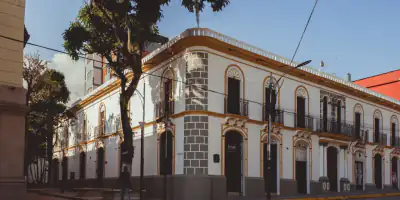




eSIM for Colombia 
Viasimo's Colombia eSIM starts at $1.59 for 100 MB over 7 days, running on Claro and movistar with 5G where available. Plans last 1 to 180 days, arrive by email in minutes and install from your phone's settings, with no app.
Works everywhere in Colombia
- Amazonas Department
- Antioquia
- Arauca Department
- Atlántico
- Bogota
- Bogota D.C.
- Bolívar
Select your planIn stock
Duration
Quantity
1
Unlimited data · 3 Days$22.99


Unlimited data · 3 Days ×1
$22.99
Does my phone take an eSIM? Check now
Dial *#06# on your phone. If you see an EID number, your phone takes an eSIM. Most phones sold since 2019 do.
Not sure it works on your phone? Check compatibilityWhich networks does the Colombia eSIM use?
Host networks: Claro / movistar
Your eSIM picks one automatically; you do not choose or switch between them.
- Data
- 100 MB – 20 GB or unlimited
- Validity
- 1–180 days
- Speed
- 4G LTE / 5G
- Hotspot / tethering
- Supported on most devices
- Activation
- Automatic on arrival
- Speed management
- Roughly 2-3 GB per day at full speed, sometimes less depending on the local carrier, then reduced
- Top-ups
- Add more data from your account, before the plan expires
- Text messages (SMS)
- Data only: use an app for verification codes
- Connects via
- Belgium
- Unused validity
- 180 days before it must be installed
How much data do you need?
The allowances below are our sizing recommendations, not measurements. The plan beside each one is the cheapest option on this page that covers it.
| You are | Plan for | Cheapest plan that covers it |
|---|---|---|
| LightMaps, messaging and the occasional lookup | About 1 GB a week | $3.791 GB, 7 days |
| TypicalMaps, social, photos and some browsing | About 3 to 7 GB a week | $17.005 GB, 30 days |
| HeavyVideo streaming, video calls and uploads | 10 GB a week or more | $30.9910 GB, 30 days |
| Working or sharingTethering a laptop, calls and cloud sync | 20 GB a week or more | $48.99Unlimited, 7 days |
eSIM, local SIM or roaming?
Charged per day
Your carrier roaming
Queue and plastic
A SIM at the airport
$1.59
Viasimo, one bundle
Only the Viasimo figure is a price: it comes from today’s live catalog. The other two rows are directional, not quoted rates.
Important to know
- This is a data-only eSIM. It carries no calls or SMS on its own number.
- Your existing number stays on your primary SIM, so calls and verification texts keep working.
- Your phone must support eSIM, and some carrier-locked phones cannot install one.
- Signal varies with location, terrain, congestion and your handset. Dense urban areas are consistently better served than remote ones.
- 5G only works where the host network has deployed it and your phone supports it. Everywhere else it falls back to 4G LTE.
- The eSIM selects a host network automatically. You cannot pick or switch between them.
- Unlimited plans run at full speed up to a fair-use limit, then continue at a reduced speed. Read the fair usage policy
Frequently asked questions
Does an eSIM work in Colombia?
Yes. Your Colombia eSIM connects automatically the moment you arrive, with no roaming fees and nothing to set up at the airport. The host networks it can use are Claro, movistar. Coverage runs on 4G LTE and 5G where the network has rolled it out, and falls back to 4G elsewhere.
Do I get 5G in Colombia?
Yes, where it has been deployed. 5G runs on Claro, movistar in Colombia, and your eSIM uses it automatically on a 5G-capable phone, dropping back to 4G LTE outside covered areas. No country is covered everywhere, so 5G availability varies by location.
Do I need to register my phone's IMEI in Colombia?
Only if you use a Colombian SIM card. With a local SIM you have 20 calendar days to register your phone's IMEI with the operator, or it is blocked from calls and data. Visitors using international roaming or a travel eSIM not tied to a local contract are not covered by that rule. Our eSIM connects to Claro as a roaming service, so no registration is needed.
Which mobile network has the best coverage in Colombia?
Claro. In Opensignal's April 2026 report it scored 8.3 out of 10 for coverage experience, against 4.3 for Tigo, 4.1 for Movistar and 2.6 for WOM, and it also had the fastest average download speed at 32.7 Mbps. Our eSIM connects to Claro's 4G/LTE network, which reaches more of the country than any rival.
Is Uber legal in Colombia?
Uber operates in Colombia but sits in a legal grey area, because no law regulating ride-hailing apps has been passed. In August 2025 a Cundinamarca court refused a taxi union's request to suspend Uber, DiDi and Cabify, and in February 2026 the government withdrew a draft regulation for revision. The apps continue to run in major cities, and visitors use them widely.
Do I need to fill in Check-MIG to enter Colombia?
It is recommended rather than mandatory for air travel. You can complete the Check-MIG form on the Migración Colombia website between 72 hours and one hour before your flight, for both entry and exit. It speeds up immigration, especially in busy periods. Save the confirmation email offline, and fill in the exit form before your last trip to the airport.
How much data do I need for 7 days in Colombia?
For 7 days in Colombia, Viasimo sells 100 MB for $1.59, 500 MB for $3.29, 1 GB for $3.79, and unlimited data for $48.99. Our sizing recommendation, not a measurement: maps, messaging and the occasional lookup, about 1 GB a week; maps, social, photos and some browsing, about 3 to 7 GB a week. The data calculator on this site works it out from how you actually use your phone.
Installing, keeping your number, topping up and hotspot work the same everywhere: see how it works →
Colombia: what to know before you land
Our eSIM in Colombia connects to Claro, which scored 8.3 out of 10 for coverage experience in Opensignal's April 2026 report, roughly double any rival. Because it is a roaming connection rather than a Colombian SIM contract, you also sidestep the 20-day IMEI registration rule that catches visitors who buy a local SIM.
- Emergency
- 123
- Plugs
- AB 110V
- Currency
- Colombian peso (COP)
Main airports
- BOG El Dorado International Airport (Bogotá)
- MDE José María Córdova International Airport (Medellín)
- CTG Rafael Núñez International Airport (Cartagena)
Apps worth having WhatsAppUberDiDiinDriveCabify
Claro's lead in Opensignal's April 2026 Colombia report
Colombia has four national mobile operators: Claro, Movistar, Tigo and WOM. Opensignal's April 2026 report, based on data from January to March 2026, shows how far ahead Claro is on reach. It scored 8.3 out of 10 for Coverage Experience, against 4.3 for Tigo, 4.1 for Movistar and 2.6 for WOM, and it also had the fastest average download speed at 32.7 Mbps.
That coverage lead is what counts once you leave Bogotá, Medellín or Cartagena for the coffee region, the Caribbean coast or small Andean towns. Movistar edged Claro on reliability and on the share of time users had any signal, but the differences there were a point or two, while Claro's coverage margin was large.
Our eSIM connects to Claro over 4G/LTE. You may read that Claro now runs 5G in 59 cities with more than 2,200 5G sites; that network is used by local Claro subscribers, and even they spent only about a quarter of their time on 5G in the report period. For visitors, Claro's 4G footprint is the part that matters, and it is the widest in the country.
Colombia's IMEI registration rule and why it matters
Colombia blocks mobile phones that are not registered against their IMEI number, part of a long-running effort against phone theft. Millions of handsets have been cut off under the scheme. The rule bites when you put a Colombian SIM in a phone bought abroad: from that moment you have 20 calendar days to register the phone's IMEI with the operator, using your passport and proof of purchase. Miss the deadline and the phone is barred from calls and mobile data on Colombian networks until you send in the paperwork. Dual-SIM phones have two IMEIs, and both need registering.
Visitors who use international roaming or a travel eSIM that is not tied to a local contract are outside that requirement. Our eSIM connects to Claro as a roaming service, so there is no registration step and no countdown to remember, which is useful on a trip longer than three weeks.
If you do decide to buy a local SIM for a long stay, check first that your model is on the approved list at the regulator's SIUST website, and register within the 20 days.
Uber, DiDi, Cabify and inDrive in a legal grey zone
Ride-hailing apps are part of daily life in Bogotá, Medellín and Cali, but their legal position is unusual. Colombia has never passed a law regulating them, and taxi associations have repeatedly tried to have them shut down. In August 2025 the Administrative Tribunal of Cundinamarca rejected one such attempt to suspend Uber, DiDi and Cabify, finding no legal basis to block them and urging the government to regulate instead.
The government's own regulation bill ran into trouble. In February 2026 it withdrew a draft that would have allowed vehicles to be impounded for up to 120 days and fines of up to 4.7 million pesos per trip for drivers and passengers alike, saying it would revise the text. As of our research the apps were still operating, but no rules had been settled.
In practice that means you can use Uber, DiDi, Cabify or inDrive, and most visitors do. Keep the trip details in the app rather than chatting about it with the driver at checkpoints, and treat registered yellow taxis, ideally booked through an app, as the fully legal alternative.
Check-MIG before El Dorado (BOG) and other arrivals
Migración Colombia's Check-MIG form is an online pre-registration for anyone entering or leaving the country. It can be completed from 72 hours up to one hour before your flight, on the official Migración Colombia website, with your passport, flight and contact details. It is no longer mandatory for air travel, but both Migración Colombia and the UK government recommend it to speed up immigration, particularly in busy periods such as Semana Santa and the December holidays.
The form generates a confirmation email. Save it, or a screenshot of it, offline before you fly, as you may be asked for it at the counter and the arrivals hall is not the place to search your inbox on airport wifi. Remember you will need to do the same for your departure, which is easy to forget on your last day; having data running lets you complete it in the taxi to the airport.
As a visitor you can usually stay up to 90 days on entry, with a maximum of 180 days in any 12-month period.
Researched October 2026 · 6 sources
- insights.opensignal.com Colombia Mobile Network Experience, April 2026 (Opensignal)
- colombiamove.com Register your phone and block stolen IMEIs in Colombia (Colombia Move)
- forbes.co Tribunal de Cundinamarca y las plataformas Uber, DiDi y Cabify (Forbes Colombia)
- publimetro.co Gobierno retira proyecto de ley que pretendía regular plataformas de transporte (Publimetro)
- cronista.com Formulario Check-MIG 72 horas antes del vuelo (El Cronista)
- gov.uk Colombia travel advice: entry requirements (GOV.UK)
Seven days in Colombia: Bogotá, Medellín, Guatapé and Cartagena
A first week linking Colombia's three best-known cities by short domestic flights: Bogotá's colonial core and Gold Museum, Medellín's cable cars and the Guatapé rock, then Cartagena's walled old town and a day out on the Caribbean islands.
When to go December to March and July to August are the drier spells in Bogotá and Medellín, while Cartagena is hot all year and calmest for boat trips from December to April; Semana Santa and late December are the busiest and priciest periods.
-
Day 1 Bogotá
Bogotá: La Candelaria and the Gold Museum
From El Dorado airport (BOG) take an app-based car or official taxi to La Candelaria, about 30 to 60 minutes depending on traffic.
Take it slowly, as Bogotá sits at around 2,600 metres. Start at Plaza de Bolívar with the cathedral and Capitolio, then wander the steep streets of La Candelaria. Spend late morning at the Museo del Oro, home to a huge collection of pre-Hispanic gold work, and the Museo Botero for its paintings and sculptures. In the late afternoon ride the cable car or funicular up Monserrate for views across the city.
Signal Claro 4G is strong across central Bogotá, including at the top of Monserrate. Keep your phone out of sight on the street in La Candelaria, especially after dark.
-
Day 2 Bogotá
Zipaquirá Salt Cathedral
About 1 hour to 1 hour 30 minutes by road from Bogotá; organised tours and the weekend tourist train also run.
Head north out of the city to Zipaquirá to visit the Catedral de Sal, a church carved out of tunnels in a working salt mine, with its Stations of the Cross and a vast main nave underground. Afterwards walk the colonial main square in Zipaquirá town. Return to Bogotá for the afternoon and visit Usaquén's old centre, which holds a craft market on Sundays.
Signal Good 4G in Zipaquirá town; expect to lose signal inside the salt cathedral's tunnels, so agree a meeting point beforehand if you split up.
-
Day 3 Medellín
Fly to Medellín: Comuna 13 and the Metrocable
Domestic flight from Bogotá to Medellín's José María Córdova airport (MDE), about 1 hour, then around 45 minutes to an hour by road into the city.
Take a morning flight to Medellín. In the afternoon join a guided walk in Comuna 13, once among the city's most violent districts, now known for the outdoor escalators, street art and community-run tours. Later ride the Metro and the Metrocable cable cars up the hillsides to see how they connected neighbourhoods to the centre, and finish at Plaza Botero by the Museo de Antioquia.
Signal Claro coverage is strong in central Medellín and on the Metrocable. In Comuna 13 the steep lanes are well covered, but be discreet with your phone and follow your guide.
-
Day 4 Medellín
Guatapé and the Piedra del Peñol
About 2 hours each way by bus from Medellín's Terminal del Norte, or by tour or private car.
Day trip east to the Piedra del Peñol, a granite monolith about 220 metres high above the reservoir. Climb its 740 numbered steps for the view over the lake's many inlets and islands. Then go to the nearby village of Guatapé, whose houses are decorated with colourful raised panels called zócalos, and take a boat out onto the reservoir in the afternoon before heading back to Medellín.
Signal 4G is good in Guatapé village and generally fine at the top of the rock; it can drop on parts of the winding road and out on the reservoir.
-
Day 5 Cartagena
Fly to Cartagena: the walled city
Domestic flight from Medellín to Cartagena (CTG), about 1 hour 15 minutes; the airport is a short taxi ride from the old town.
Fly to the Caribbean coast. Spend the afternoon inside Cartagena's colonial walls, walking from the Torre del Reloj through Plaza de los Coches and Plaza de Santo Domingo to the cathedral, then on to the quieter San Diego district. At sunset climb onto the city walls near the Baluarte de Santo Domingo to watch the sun drop over the sea.
Signal Claro 4G is reliable throughout the walled city and on the walls themselves, though very busy squares in the evening can slow data.
-
Day 6 Cartagena
San Felipe fortress and Getsemaní
Go early to the Castillo San Felipe de Barajas, the great Spanish fortress on a hill outside the walls, and explore its tunnels and ramparts before the heat builds. Spend the afternoon in Getsemaní, the old artisans' quarter, where Plaza de la Trinidad fills up in the evening, and see the murals along its lanes. Fit in a rest in the hottest hours.
Signal Good 4G at San Felipe and across Getsemaní; signal weakens inside the fortress tunnels.
-
Day 7 Cartagena
Rosario Islands by boat
Boats from the Muelle de la Bodeguita take about 1 hour each way, depending on sea conditions.
Take a boat from Cartagena's Muelle de la Bodeguita out to the Islas del Rosario, part of the Corales del Rosario y San Bernardo national park. Spend the day snorkelling over coral, swimming and relaxing on one of the islands, using operators licensed at the pier. You return by mid-afternoon, leaving time for a last walk in the old town before your flight home.
Signal Signal drops off once you are out at sea; coverage on the islands themselves is limited and can disappear on the smaller cays.
Staying connected on this route
- Complete Check-MIG for your departure from Cartagena while you have signal on your last morning.
- Download offline maps of Guatapé and the Rosario Islands, where coverage is unreliable on the road and at sea.
- Use app-based cars in Bogotá and Medellín and book them from indoors, keeping your phone out of sight on the street.
Itinerary sources · 3
- gov.uk GOV.UK foreign travel advice: Colombia
- whc.unesco.org UNESCO World Heritage Centre: Port, Fortresses and Group of Monuments, Cartagena
- colombia.travel Colombia Travel: Guatapé
Information and verification
Each block below says what was checked and when. Anything we cannot date, we do not claim.
- Prices and plans
- Every price and allowance on this page is read from the live catalog, not typed in.
- Host networks
- The operator list comes from the network partner that carries this eSIM.
Transparent pricing
Colombia eSIM prices
| Data | Price | Per day |
|---|---|---|
| 500 MB | $2.79 | $2.79/day |
| Data | Price | Per day |
|---|---|---|
| Unlimited | $22.99 | $7.66/day |
| Data | Price | Per day |
|---|---|---|
| Unlimited | $35.99 | $7.20/day |
| Data | Price | Per day |
|---|---|---|
| 100 MBBest value | $1.59 | $0.23/day |
| 500 MB | $3.29 | $0.47/day |
| 1 GB | $3.79 | $0.54/day |
| Unlimited | $48.99 | $7.00/day |
| Data | Price | Per day |
|---|---|---|
| Unlimited | $68.00 | $6.80/day |
| Data | Price | Per day |
|---|---|---|
| Unlimited | $374.99 | $6.25/day |
| Data | Price | Per day |
|---|---|---|
| Unlimited | $559.99 | $6.22/day |
| Data | Price | Per day |
|---|---|---|
| Unlimited | $1,109.99 | $6.17/day |
Going to more than one country?
Regional plans that also cover Colombia
Destinations
Popular eSIM destinations
Travel guides
Read before you go