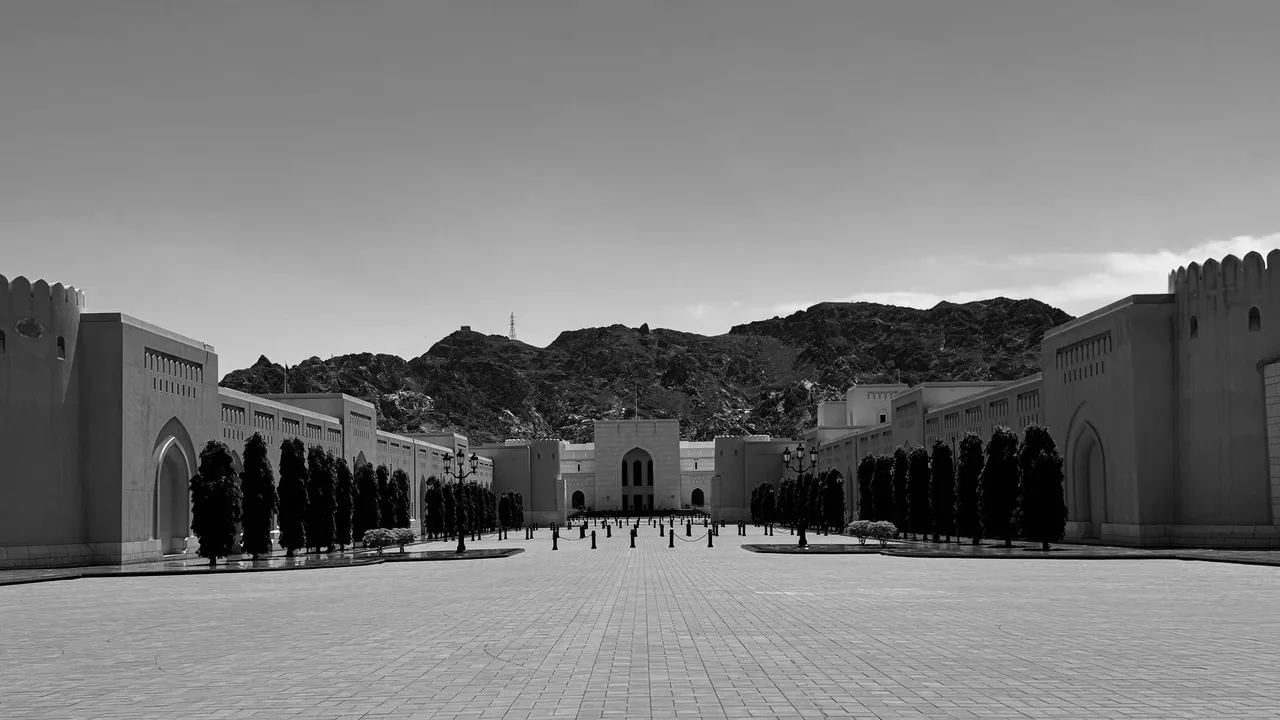
eSIM for Oman 
Viasimo's Oman eSIM starts at $2.00 for 500 MB over 1 day, running on Omantel with 5G where available. Plans last 1 to 180 days, arrive by email in minutes and install from your phone's settings, with no app.
Works everywhere in Oman
- Ad Dakhiliyah
- Ad Dhahirah
- Al Batinah North
- Al Batinah South
- Al Buraimi
- Al Wusta Governorate
- Dhofar
Duration







Unlimited data · 3 Days ×1
$12.99
Does my phone take an eSIM? Check now
Dial *#06# on your phone. If you see an EID number, your phone takes an eSIM. Most phones sold since 2019 do.
Not sure it works on your phone? Check compatibilityWhich networks does the Oman eSIM use?
Host networks: Omantel
Your eSIM picks one automatically; you do not choose or switch between them.
- Data
- 500 MB – 50 GB or unlimited
- Validity
- 1–180 days
- Speed
- 4G LTE / 5G
- Hotspot / tethering
- Supported on most devices
- Activation
- Starts when you first connect in your destination
- Speed management
- Roughly 2-3 GB per day at full speed, sometimes less depending on the local carrier, then reduced
- Top-ups
- Add more data from your account, before the plan expires
- Text messages (SMS)
- Data only: use an app for verification codes
- Unused validity
- 180 days before it must be installed
How much data do you need?
The allowances below are our sizing recommendations, not measurements. The plan beside each one is the cheapest option on this page that covers it.
| You are | Plan for | Cheapest plan that covers it |
|---|---|---|
| LightMaps, messaging and the occasional lookup | About 1 GB a week | $3.291 GB, 7 days |
| TypicalMaps, social, photos and some browsing | About 3 to 7 GB a week | $12.995 GB, 30 days |
| HeavyVideo streaming, video calls and uploads | 10 GB a week or more | $22.9910 GB, 30 days |
| Working or sharingTethering a laptop, calls and cloud sync | 20 GB a week or more | $27.99Unlimited, 7 days |
eSIM, local SIM or roaming?
Charged per day
Your carrier roaming
Queue and plastic
A SIM at the airport
$2.00
Viasimo, one bundle
Only the Viasimo figure is a price: it comes from today’s live catalog. The other two rows are directional, not quoted rates.
Important to know
- This is a data-only eSIM. It carries no calls or SMS on its own number.
- Your existing number stays on your primary SIM, so calls and verification texts keep working.
- Your phone must support eSIM, and some carrier-locked phones cannot install one.
- Signal varies with location, terrain, congestion and your handset. Dense urban areas are consistently better served than remote ones.
- 5G only works where the host network has deployed it and your phone supports it. Everywhere else it falls back to 4G LTE.
- The eSIM selects a host network automatically. You cannot pick or switch between them.
- Unlimited plans run at full speed up to a fair-use limit, then continue at a reduced speed. Read the fair usage policy
Frequently asked questions
Does an eSIM work in Oman?
Yes. Your Oman eSIM connects automatically the moment you arrive, with no roaming fees and nothing to set up at the airport. The host networks it can use are Omantel. Coverage runs on 4G LTE and 5G where the network has rolled it out, and falls back to 4G elsewhere.
Do I get 5G in Oman?
Yes, where it has been deployed. 5G runs on Omantel in Oman, and your eSIM uses it automatically on a 5G-capable phone, dropping back to 4G LTE outside covered areas. No country is covered everywhere, so 5G availability varies by location.
Which network does a travel eSIM use in Oman?
This eSIM connects through Omantel, Oman's original operator, which launched the country's first 5G coverage in 2020. The other operators are Ooredoo, formerly Nawras, and the newer Vodafone Oman, and the eSIM doesn't switch to either. Smaller brands such as FRiENDi and Red Bull Mobile resell capacity on the main networks. Expect 5G in some areas and 4G elsewhere.
When is it unsafe to visit wadis in Oman?
Mainly from October to March, when heavy rain can cause flash floods. The UK Foreign Office advises staying out of wadis whenever heavy rain is forecast and for at least a day afterwards. Rain in the mountains can flood a wadi even if it's dry where you are. Check the forecast before setting off, as there's often no signal in the wadis.
Do I need a visa for Oman?
Not for short trips if you hold a UK passport. You can stay up to 14 days without a visa. For longer stays, apply at evisa.rop.gov.om for an unsponsored visit visa, or get one on arrival. Have your return ticket, accommodation booking and travel health insurance saved on your phone, as border officers can ask for them.
What should I take when driving into the Wahiba Sands?
UK advice is to use a well-equipped 4x4, travel in convoy if possible, carry water and a mobile or satellite phone, and tell someone your plans. Mobile signal fades once you leave the approach road, so download offline maps and share your live location before going in. For accidents where no one is hurt, the Royal Oman Police number is 9999.
Can I fly a drone in Oman?
Not without a licence. It's illegal to fly any remote-controlled device without a valid licence or in restricted airspace. Be careful with photography too: some government buildings and military sites are off-limits, plane spotting near airports can be misunderstood, and you should ask before photographing people.
How much data do I need for 7 days in Oman?
For 7 days in Oman, Viasimo sells 1 GB for $3.29 and unlimited data for $27.99. Our sizing recommendation, not a measurement: maps, messaging and the occasional lookup, about 1 GB a week; maps, social, photos and some browsing, about 3 to 7 GB a week. The data calculator on this site works it out from how you actually use your phone.
Installing, keeping your number, topping up and hotspot work the same everywhere: see how it works →
Oman: what to know before you land
In Oman this eSIM runs on Omantel, the country's longest-established operator, which switched on its first 5G in 2020. There are three things to know before you travel: wadis can flood suddenly between October and March, the UK advises driving in the desert in convoy with a phone you can rely on, and you may be asked at the border for return tickets and insurance documents.
- Emergency
- 9999
- Plugs
- G 230V
- Currency
- Omani rial (OMR)
Main airports
- MCT Muscat International Airport
- SLL Salalah International Airport
Omantel, Ooredoo and Oman's smaller mobile brands
Omantel had the Omani mobile market to itself until 2005, when Qatar's Qtel and its partners won the second licence and launched Nawras, now trading as Ooredoo. A third network operator, Vodafone Oman, launched in 2022. Omantel brought in Oman's first 5G coverage in 2020. You'll also see smaller brands such as FRiENDi and Red Bull Mobile, which sell services over the main operators' networks instead of running their own.
Your eSIM connects through Omantel only. It doesn't switch to Ooredoo or Vodafone, so if a friend on another SIM has signal in a mountain village where you don't, that's why. Where Omantel has switched on 5G and your phone supports it, you'll use 5G. In the rest of the country you'll be on 4G.
Because there's only one network, the usual trick of manually picking another operator won't help. If the data stalls somewhere you can see bars, turn airplane mode on and off, or wait until you reach the next town. When you're driving into the Hajar or the sands, load your route and pins while you still have Omantel 4G on the main road.
Flash floods in the wadis between October and March
The UK Foreign Office warns that Oman's wadis are prone to flash flooding after heavy rain, mainly between October and March. It advises staying out of wadis whenever heavy rain is forecast and for at least a day afterwards. Rain that falls on the mountains miles away can send water down a dry wadi under clear skies, so a walk into Wadi Shab or Wadi Bani Khalid can turn dangerous within minutes.
Roads that cross dry riverbeds can also flood suddenly. If you're caught by rising water, get to higher ground and don't try to cross it on foot or by car. If you're driving, stop somewhere dry and wait.
Between July and August, Indian Ocean tropical cyclones sometimes reach Oman and can cut power and other services. Follow the official weather warnings. Signal often disappears deep inside a wadi, so check the forecast on your phone before you leave the car park. Tell someone when you expect to be back, and don't go in if rain is forecast anywhere upstream.
Desert and mountain driving: convoys, water and a reliable phone
For off-road driving in the Wahiba Sands or on the Hajar tracks, the FCDO says to use only a well-equipped 4x4, travel in convoy if you can, carry water and a mobile or satellite phone, tell someone your plans, and check that your insurance covers you. Outside Muscat, watch out for camels and goats wandering onto the road.
In practice, check your route and download offline maps while you're still in Nizwa, Ibra or Sur. Share your live location with someone in your convoy or at home, and agree a time you'll check in once you're back on the tarmac. If you have an accident and nobody needs emergency treatment, UK advice is to stay with your vehicle and call the Royal Oman Police on 9999. The eSIM is data only, so use your home SIM to make the call.
Also be careful with your camera and drone. Flying any remote-controlled aircraft without a valid licence, or in restricted airspace, is illegal. Photographing some government buildings and military sites is also illegal, and birdwatching or plane spotting near airports can be misunderstood. Always ask before photographing people.
Arriving on Oman's 14-day visa-free stay
UK passport holders can visit Oman without a visa for up to 14 days. For longer stays, apply online at evisa.rop.gov.om, run by the Royal Oman Police, and choose the unsponsored visit visa, or get a visit visa on arrival at the airport. Overstaying costs up to 10 rials a day, capped at 500 rials, and can lead to detention.
At the border you may have to show a return or onward ticket, proof of accommodation and proof of travel health insurance, and your passport must be valid for six months from the date you arrive. Keep all of these as PDFs or screenshots on your phone, so you can show them at Muscat or Salalah even before your eSIM has connected.
Some medicines that are legal in the UK, including some sold over the counter, are illegal in Oman. Carry a copy of your prescription and check with Oman's Ministry of Health before you travel. Oman doesn't recognise dual nationality, so enter and leave on the same passport.
Researched October 2026 · 4 sources
- gov.uk Oman travel advice: safety and security (GOV.UK)
- gov.uk Oman travel advice: entry requirements (GOV.UK)
- en.wikipedia.org Telecommunications in Oman (Wikipedia)
- worldstandards.eu Plug, socket and voltage by country (World Standards)
Seven days in Oman: Muscat, Nizwa, Jebel Shams, the Wahiba Sands and Sur
A self-drive loop from Muscat for first-time visitors: the capital's mosque and souq, the forts of Nizwa and Bahla, the canyon rim at Jebel Shams, a night in the Wahiba Sands, turtles at Ras al Jinz and the coastal wadis on the way back.
When to go November to March is the most comfortable time, with warm days and cool desert nights, but watch for flash floods in the wadis after rain; May to September is extremely hot inland and turtle nesting peaks from June to September.
-
Day 1 Muscat
Muscat: the Grand Mosque and Mutrah
Muscat International Airport is about 30 minutes from Mutrah by taxi or ride-hailing app.
Visit the Sultan Qaboos Grand Mosque in the morning, when it is open to non-Muslim visitors from Saturday to Thursday; dress with arms and legs covered, and women should cover their hair. In the late afternoon, walk the Mutrah Corniche past the fishing harbour into Mutrah Souq's covered lanes of frankincense, silver and textiles, and climb to the watchtower above the corniche for the view at sunset.
Signal Omantel 4G and 5G across Muscat. Signal is reliable in Mutrah Souq, though the inner lanes are weaker.
-
Day 2 Muscat
Old Muscat and the National Museum
Drive round the headland to Old Muscat and see the ceremonial Al Alam Palace between the Portuguese-era forts of Al Jalali and Mirani, viewed from outside. Visit the National Museum for its displays on Oman's maritime history and frankincense trade, then the Bait Al Zubair museum of Omani dress and weapons. In the evening, see the Royal Opera House in Shatti Al Qurum or walk the beach there.
Signal Strong 4G and 5G throughout Muscat. Behind the cliffs of the old town the signal can dip briefly.
-
Day 3 Nizwa
Nizwa Fort, Bahla and Jabrin
Muscat to Nizwa is about 160 km, roughly 1 hour 45 minutes on the motorway; Bahla is about 25 km, roughly 30 minutes, beyond Nizwa and Jabrin another 15 minutes.
Drive inland to Nizwa and visit its 17th-century fort, with a huge round tower and views over the palm groves, and the souq beside it; on Friday mornings there is a livestock market. In the afternoon, drive to Bahla Fort, a UNESCO-listed mud-brick fortress with long town walls, and then to Jabrin Castle, known for its painted ceilings, before returning to Nizwa.
Signal 4G on the motorway and in Nizwa, Bahla and Jabrin. Thick fort walls weaken the signal indoors.
-
Day 4 Nizwa
Jebel Shams and Misfat al Abriyeen
Nizwa to the Jebel Shams rim is about 1 hour 30 minutes; a 4x4 is recommended for the last steep section.
Drive up Jebel Shams, Oman's highest mountain, to the rim of Wadi Ghul, often called Oman's Grand Canyon. Walk the Balcony Walk from Al Khitaym, a narrow path along the cliff edge to the abandoned village of As Sab, around 3 hours return. On the way down, stop at Misfat al Abriyeen, a mud-brick village among terraced gardens and a falaj irrigation channel, and walk its lanes quietly.
Signal 4G at Al Hamra and some coverage on the rim, but the Balcony Walk and the canyon below often have no signal. Tell someone when you expect to be back.
-
Day 5 Wahiba Sands
Wadi Bani Khalid and the Wahiba Sands
Nizwa to Wadi Bani Khalid is about 2 hours 30 minutes; the edge of the sands is around 1 hour further. Lower your tyre pressure or use the camp's transfer for the dunes.
Drive east to Wadi Bani Khalid and walk along the pools of turquoise water between the rocks to the deeper upper pools; swim only where locals do and dress modestly. In the afternoon, drive to Al Wasil or Bidiyah at the edge of the Wahiba Sands, where camps send 4x4s to collect you. Watch sunset from the top of a dune and spend the night in a desert camp.
Signal 4G at the wadi car park, but none deep in the gorge. Once you leave the tarmac into the Wahiba Sands, coverage fades quickly; follow the FCDO advice to travel in convoy and carry water.
-
Day 6 Ras al Jinz
Sur and the Ras al Jinz turtles
The Wahiba Sands to Sur is about 2 hours by road; Ras al Jinz is around 45 minutes beyond Sur.
Drive out of the sands to Sur, a port where traditional wooden dhows are still built and repaired in the yard by the lagoon, and visit the Al Ayjah lighthouse and watchtowers. In the afternoon, continue to Ras al Jinz Turtle Reserve, where green turtles come ashore to nest. Join the evening or dawn ranger-led beach viewing, booked in advance, and follow the no-flash rule.
Signal 4G in Sur and at the reserve visitor centre. Phone screens and cameras are restricted on the nesting beach during viewings, so download your booking beforehand.
-
Day 7 Muscat
Wadi Shab, Bimmah Sinkhole and back to Muscat
Ras al Jinz to Wadi Shab is about 1 hour 15 minutes; Wadi Shab to Muscat is about 1 hour 45 minutes on the coastal highway.
Drive up the coast to Wadi Shab, cross the river by the short boat ferry, and walk about 45 minutes between cliffs to the pools; strong swimmers can swim through to a cave with a waterfall inside. Check the forecast first and avoid the wadi after rain. Stop at the Bimmah Sinkhole, a limestone hollow filled with turquoise water, before following the coast road back to Muscat.
Signal 4G on the coastal highway and at the Wadi Shab car park, but none in the gorge itself. Bimmah has reasonable coverage.
Staying connected on this route
- Your eSIM uses Omantel only, so switching operators will not help; if data stalls with bars showing, toggle airplane mode.
- Check the weather before entering any wadi, especially from October to March: flash floods can arrive under blue skies.
- Download offline maps of the Hajar mountains and the Wahiba Sands while still in Nizwa or Ibra.
- The eSIM is data only: call the Royal Oman Police on 9999 from your home SIM.
Itinerary sources · 4
- gov.uk GOV.UK: Oman safety and security
- whc.unesco.org UNESCO World Heritage: Bahla Fort
- whc.unesco.org UNESCO World Heritage: Aflaj Irrigation Systems of Oman
- en.wikipedia.org Telecommunications in Oman (Wikipedia)
Information and verification
Each block below says what was checked and when. Anything we cannot date, we do not claim.
- Prices and plans
- Every price and allowance on this page is read from the live catalog, not typed in.
- Host networks
- The operator list comes from the network partner that carries this eSIM.
Oman eSIM prices
| Data | Price | Per day |
|---|---|---|
| Unlimited | $12.99 | $4.33/day |
| Data | Price | Per day |
|---|---|---|
| Unlimited | $20.99 | $4.20/day |
| Data | Price | Per day |
|---|---|---|
| Unlimited | $37.99 | $3.80/day |
| Data | Price | Per day |
|---|---|---|
| Unlimited | $204.99 | $3.42/day |
| Data | Price | Per day |
|---|---|---|
| Unlimited | $309.99 | $3.44/day |
| Data | Price | Per day |
|---|---|---|
| Unlimited | $609.99 | $3.39/day |
Going to more than one country?
Regional plans that also cover Oman



Destinations