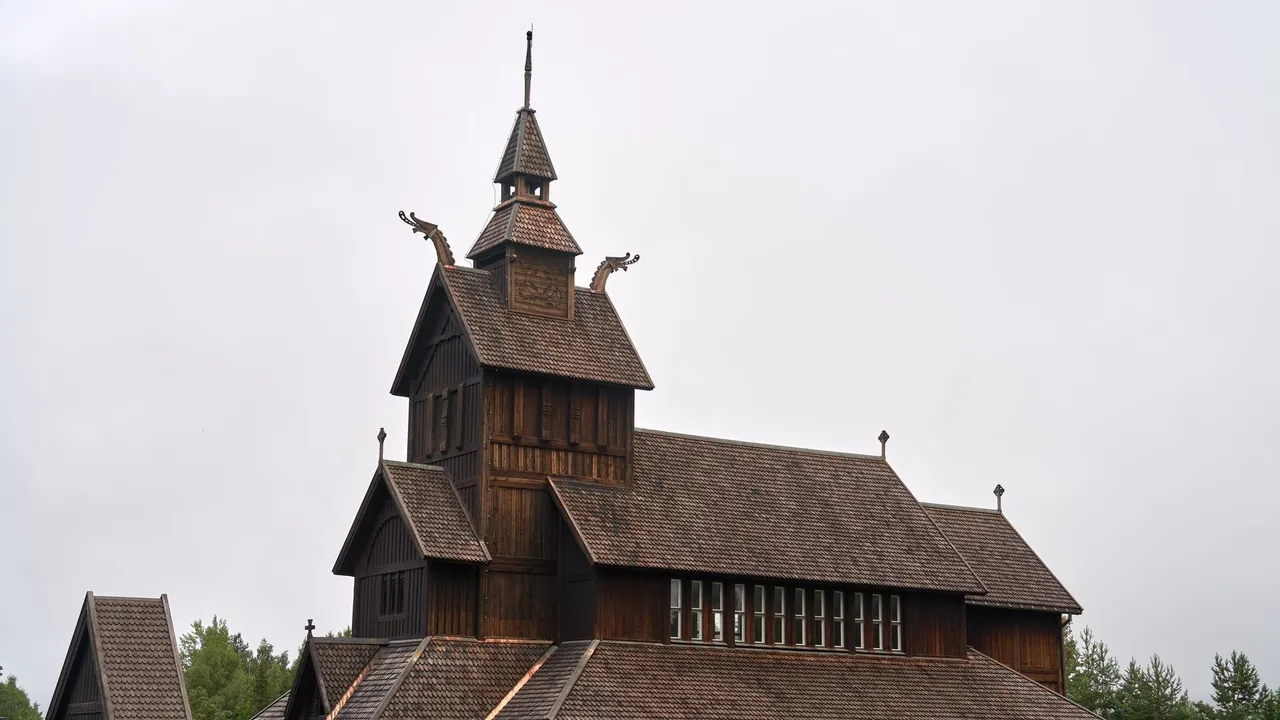
eSIM for Norway 
Viasimo's Norway eSIM starts at $1.29 for 500 MB over 1 day, running on Telenor and Telia with 5G where available. Plans last 1 to 180 days, arrive by email in minutes and install from your phone's settings, with no app.
Works everywhere in Norway
- Agder
- Akershus
- Buskerud
- Finnmark
- Innlandet
- Møre og Romsdal
- Nordland
Duration







Unlimited data · 3 Days ×1
$6.99
Does my phone take an eSIM? Check now
Dial *#06# on your phone. If you see an EID number, your phone takes an eSIM. Most phones sold since 2019 do.
Not sure it works on your phone? Check compatibilityWhich networks does the Norway eSIM use?
Host networks: Telenor / Telia
Your eSIM picks one automatically; you do not choose or switch between them.
- Data
- 500 MB – 50 GB or unlimited
- Validity
- 1–180 days
- Speed
- 4G LTE / 5G
- Hotspot / tethering
- Supported on most devices
- Activation
- Starts when you first connect in your destination
- Speed management
- Roughly 2-3 GB per day at full speed, sometimes less depending on the local carrier, then reduced
- Top-ups
- Add more data from your account, before the plan expires
- Text messages (SMS)
- Data only: use an app for verification codes
- Unused validity
- 180 days before it must be installed
How much data do you need?
The allowances below are our sizing recommendations, not measurements. The plan beside each one is the cheapest option on this page that covers it.
| You are | Plan for | Cheapest plan that covers it |
|---|---|---|
| LightMaps, messaging and the occasional lookup | About 1 GB a week | $1.591 GB, 7 days |
| TypicalMaps, social, photos and some browsing | About 3 to 7 GB a week | $4.595 GB, 30 days |
| HeavyVideo streaming, video calls and uploads | 10 GB a week or more | $8.0010 GB, 30 days |
| Working or sharingTethering a laptop, calls and cloud sync | 20 GB a week or more | $13.99Unlimited, 7 days |
eSIM, local SIM or roaming?
Charged per day
Your carrier roaming
Queue and plastic
A SIM at the airport
$1.29
Viasimo, one bundle
Only the Viasimo figure is a price: it comes from today’s live catalog. The other two rows are directional, not quoted rates.
Important to know
- This is a data-only eSIM. It carries no calls or SMS on its own number.
- Your existing number stays on your primary SIM, so calls and verification texts keep working.
- Your phone must support eSIM, and some carrier-locked phones cannot install one.
- Signal varies with location, terrain, congestion and your handset. Dense urban areas are consistently better served than remote ones.
- 5G only works where the host network has deployed it and your phone supports it. Everywhere else it falls back to 4G LTE.
- The eSIM selects a host network automatically. You cannot pick or switch between them.
- Unlimited plans run at full speed up to a fair-use limit, then continue at a reduced speed. Read the fair usage policy
Frequently asked questions
Does an eSIM work in Norway?
Yes. Your Norway eSIM connects automatically the moment you arrive, with no roaming fees and nothing to set up at the airport. The host networks it can use are Telenor, Telia. Coverage runs on 4G LTE and 5G where the network has rolled it out, and falls back to 4G elsewhere.
Do I get 5G in Norway?
Yes, where it has been deployed. 5G runs on Telenor, Telia in Norway, and your eSIM uses it automatically on a 5G-capable phone, dropping back to 4G LTE outside covered areas. No country is covered everywhere, so 5G availability varies by location.
Does Norway still have 3G?
No. Telenor switched off 3G on 31 January 2021, and Telia on 11 November 2021. Telia also closed 2G on 2 December 2025, and Telenor plans to keep 2G until the end of 2027. Where 4G and 5G can't reach, your phone will either drop to Telenor's 2G for basic messages or show no service at all.
How do I check avalanche risk before hiking in Norway?
Use Varsom, the Norwegian Avalanche Warning Service, at varsom.no. The UK government recommends it for anyone going into the mountains. Forecasts are issued by region and updated daily, so check on the morning of your hike while you have signal, because high ground is often out of coverage.
Do I need winter tyres to drive in Norway?
Yes, when roads are covered in snow or ice. The UK government says you need winter tyres with at least 3 mm of tread, and you may also need studded tyres or chains. You must also keep dipped headlights on during the day all year. On-the-spot fines for driving offences can reach 10,000 kroner.
Is there one app for Norwegian buses, trains and ferries?
Yes. Entur is Norway's national journey planner and covers trains, buses, ferries, trams, the metro and domestic flights. It's the easiest way to check connections, such as a train arriving in time for the last fjord ferry. Its site is mostly in Norwegian, and some regional operators sell tickets through their own apps.
How much data do I need for 7 days in Norway?
For 7 days in Norway, Viasimo sells 1 GB for $1.59 and unlimited data for $13.99. Our sizing recommendation, not a measurement: maps, messaging and the occasional lookup, about 1 GB a week; maps, social, photos and some browsing, about 3 to 7 GB a week. The data calculator on this site works it out from how you actually use your phone.
Installing, keeping your number, topping up and hotspot work the same everywhere: see how it works →
Norway: what to know before you land
Norway has switched off its 3G networks: Telenor in January 2021 and Telia in November 2021. Telia also closed 2G in December 2025, so phones now rely on 4G and 5G. Your eSIM uses both Telenor and Telia. Away from the cities, the most useful apps are Varsom for avalanche warnings and Entur, which plans every bus, train and ferry in the country.
- Emergency
- 112 police, 113 ambulance, 110 fire
- Plugs
- CF 230V
- Currency
- Norwegian krone (NOK)
Main airports
- OSL Oslo Airport, Gardermoen
- BGO Bergen Airport, Flesland
- TRD Trondheim Airport, Værnes
- TOS Tromsø Airport
Telenor, Telia and Norway's 3G and 2G switch-offs
Your eSIM uses Telenor and Telia, the two big Norwegian networks. Both have been retiring older technology to free up spectrum for 4G and 5G:
- Telenor switched off 3G on 31 January 2021 and plans to close 2G at the end of 2027.
- Telia switched off 3G on 11 November 2021. It began closing 2G in August 2025 and finished on 2 December 2025.
There is no 3G safety net any more. Where 4G fades, in a deep fjord arm or on a high plateau, a phone on Telenor may still drop to 2G, which is just about enough for a text-only message. On Telia's network it will simply show no service. Older guides and forums that talk about falling back to 3G in Norway are out of date.
If you're visiting on an EU or EEA plan, Norway is in the EEA, so your home operator's roaming rules for the EU usually apply here too. Check your plan before relying on it. If you're coming from the UK, the US or elsewhere, an eSIM avoids the uncertainty of roaming charges.
Varsom, campfire bans and limited Arctic rescue
Before any mountain hike or ski tour, check Varsom (varsom.no), the Norwegian Avalanche Warning Service. The UK government recommends it alongside the European Avalanche Warning Services. Varsom's forecasts are issued by region and change daily, so look at the forecast on the morning you set out, while you still have signal in the valley. Above the tree line, your phone often won't connect.
The UK government also warns that nearly half of Norway lies inside the Arctic Circle, where emergency medical care and search and rescue are limited. Weather on exposed summits can turn Arctic even in summer. In practice, that means downloading your route, telling someone at your cabin or hotel your plan and expected return time, and carrying a fully charged power bank. Cold drains phone batteries fast.
In summer, police enforce campfire bans in many hiking areas. Local rules vary, so check the municipality's website or ask at the tourist office before lighting a fire. For emergencies, dial 112 for police, 113 for ambulance and 110 for fire.
Winter tyres, dipped headlights and 10,000-krone fines
If you're driving, Norwegian road rules are strict and enforced. The UK government says that when roads are covered in snow or ice, you need winter tyres with at least 3 mm of tread, and you may also need studded tyres or snow chains. Check that your hire car is properly equipped before you set off on Trollstigen, Sognefjellet or the routes across Hardangervidda.
You must drive with dipped headlights on during the day, all year round. On roads without a yellow diamond priority sign, give way to traffic from the right, which surprises many visitors at junctions in small towns. Drink-driving is treated seriously, with frequent roadside checks, and on-the-spot fines for driving offences can reach 10,000 Norwegian kroner.
Mountain passes close in bad weather and some stay shut for the whole winter. Check road status on your phone before you leave, while you have signal. Long tunnels cut the signal completely, so if your satnav relies on live data, download the area for offline use first.
Entur: one planner for trains, buses and fjord ferries
Norway's public transport is run by many regional companies, but Entur pulls them together. It's the national journey planner and covers trains, buses, ferries, trams, the metro and domestic flights. For a trip such as Oslo to Flåm and on to Bergen, or a coastal route with ferries, one Entur search shows the connections across all operators.
This matters because fjord travel depends on connections. A late train can mean missing the last ferry of the evening, and many rural bus routes run only a few times a day. Check your connections in Entur in the morning, and again if a leg is delayed.
Entur's website is mainly in Norwegian, so an in-browser translation helps. Some regional operators sell tickets only through their own apps. Install those on Wi-Fi before you leave the city.
Researched October 2026 · 5 sources
- en.wikipedia.org 3G - Wikipedia (phase-out section)
- en.wikipedia.org 2G - Wikipedia (phase-out section)
- gov.uk Norway travel advice: safety and security - GOV.UK
- entur.no Entur - national journey planner
- nkom.no Nkom - Norwegian Communications Authority
Seven days in Norway: Oslo, the Bergen Line, Flåm, the Nærøyfjord and Bergen
The classic first week by public transport: two days in Oslo, the mountain railway across Hardangervidda to Myrdal and down to Flåm, a cruise on the UNESCO-listed Nærøyfjord, then three days in Bergen with a day trip to the Hardangerfjord.
When to go Late May to early September has long daylight, all fjord boats and mountain roads running and the Hardangerfjord orchards in blossom in May; winter brings snow on the Bergen Line, shorter days and fewer sailings, and Bergen is wet in any season.
-
Day 1 Oslo
Oslo: the Opera House, Akershus and the waterfront
The Flytoget airport express takes about 20 minutes from Oslo Airport to Oslo S.
Walk up the sloping marble roof of the Oslo Opera House for the view over the fjord and Bjørvika, then visit the MUNCH museum next door to see Edvard Munch's work, including versions of The Scream. In the afternoon walk along the harbour to Akershus Fortress, past City Hall, and out to Aker Brygge and Tjuvholmen for the evening.
Signal Central Oslo has dense Telenor and Telia 5G, including on the airport train and in metro stations.
-
Day 2 Oslo
Bygdøy and Vigeland Park
Bygdøy is about 15 minutes by ferry from the City Hall pier in summer, or by bus 30 all year; Holmenkollen is about 20 minutes by metro line 1.
Take the ferry or bus to the Bygdøy peninsula for the Norwegian Museum of Cultural History's open-air buildings, including a medieval stave church, and the Fram Museum, which holds the polar ship used by Nansen and Amundsen. Come back to the city for Vigeland Park in Frogner, with its hundreds of sculptures by Gustav Vigeland leading up to the Monolith, then take the metro up to Holmenkollen for the ski jump view.
Signal Strong 4G and 5G across Bygdøy, Frogner and Holmenkollen.
-
Day 3 Flåm
The Bergen Line and the Flåm Railway
About 4.5–5 hours by train from Oslo to Myrdal, then about 1 hour down the Flåm Railway.
Take the morning train from Oslo S on the Bergen Line, which climbs through Hallingdal and over the Hardangervidda plateau past Finse, the highest station on the line. Change at Myrdal for the Flåm Railway, which drops steeply through tunnels and hairpin bends past the Kjosfossen waterfall, where the train stops for photos. In Flåm, take the bus or a guided trip up to the Stegastein viewpoint over the Aurlandsfjord.
Signal Coverage on the Bergen Line is good in the valleys but drops in the long tunnels and on open stretches of Hardangervidda around Finse; the Flåm Railway loses signal in its tunnels, and Flåm village has 4G.
-
Day 4 Bergen
Nærøyfjord cruise to Gudvangen and on to Bergen
About 2 hours by boat to Gudvangen, roughly 1 hour by bus to Voss, then about 1 hour 15 minutes by train to Bergen; check the connections in Entur.
Cruise from Flåm along the Aurlandsfjord and into the Nærøyfjord, a narrow arm of the Sognefjord listed by UNESCO with the Geirangerfjord, where cliffs rise steeply on both sides and waterfalls drop into the water. From Gudvangen, take the bus up past Stalheim to Voss and connect onto the Bergen Line for the last leg into Bergen.
Signal Expect weak or no signal in the narrowest part of the Nærøyfjord beneath the cliffs; it returns at Gudvangen and holds along the road and railway to Bergen apart from tunnels.
-
Day 5 Bergen
Bergen: Bryggen and Mount Fløyen
Everything is walkable from the centre; the funicular takes about 6 minutes.
Walk through Bryggen, the UNESCO-listed row of wooden Hanseatic wharf buildings, and visit Bryggens Museum to see what archaeologists found beneath it. Browse the fish market on the harbour, then ride the Fløibanen funicular up Mount Fløyen and walk the forest trails at the top, looking down on the city and its islands. Spend the evening in the old Nordnes or Marken streets.
Signal Good 5G across central Bergen and at the top of Fløyen; a little weaker on the forest trails behind the summit.
-
Day 6 Bergen
Hardangerfjord day trip
Bergen to Norheimsund is about 1.5 hours by bus; the full round trip by bus and boat takes a long day, and some boat legs run only in summer.
Take a day trip east to the Hardangerfjord, by bus to Norheimsund, where you can walk behind the Steinsdalsfossen waterfall, then by boat along the fjord towards Eidfjord and the Vøringsfossen falls, where the Måbødalen valley drops off the edge of Hardangervidda. In late May, the orchards along the fjord sides are in blossom. Return to Bergen in the evening.
Signal 4G is reliable in the fjord villages and along the main road, with gaps in tunnels and in the narrower fjord arms; check sailing times in Entur before you leave Bergen.
-
Day 7 Bergen
Troldhaugen, Ulriken and departure
The Bybanen light rail runs from the centre towards Troldhaugen and on to Bergen airport in about 45 minutes.
Visit Troldhaugen, Edvard Grieg's lakeside home south of the city, with its composer's hut and concert hall. If the weather is clear, ride the Ulriken cable car up the highest of the mountains around Bergen for a final view over the coast before heading to Flesland airport for your flight.
Signal Strong coverage at Troldhaugen, on the light rail and at the airport; Ulriken's summit has 4G.
Staying connected on this route
- Plan the Oslo–Flåm–Bergen connections in Entur the night before and recheck on the morning, since a delayed train can mean missing the fjord boat.
- Download offline maps for the Flåm and Hardanger areas; tunnels and narrow fjords cut signal for minutes at a time.
- There is no 3G fallback in Norway and 2G is being switched off, so in a dead spot wait for 4G rather than expecting a slow connection.
- Check Varsom and the yr.no forecast before any mountain walk off the railway route.
Itinerary sources · 3
- whc.unesco.org UNESCO World Heritage: West Norwegian Fjords – Geirangerfjord and Nærøyfjord
- en.visitbergen.com Visit Bergen
- norwaysbest.com Norway's Best: Flåm Railway and Nærøyfjord cruises
Information and verification
Each block below says what was checked and when. Anything we cannot date, we do not claim.
- Prices and plans
- Every price and allowance on this page is read from the live catalog, not typed in.
- Host networks
- The operator list comes from the network partner that carries this eSIM.
Norway eSIM prices
| Data | Price | Per day |
|---|---|---|
| Unlimited | $6.99 | $2.33/day |
| Data | Price | Per day |
|---|---|---|
| Unlimited | $10.99 | $2.20/day |
| Data | Price | Per day |
|---|---|---|
| Unlimited | $18.99 | $1.90/day |
| Data | Price | Per day |
|---|---|---|
| 3 GBBest value | $3.29 | $0.11/day |
| 5 GB | $4.59 | $0.15/day |
| 10 GB | $8.00 | $0.27/day |
| 20 GB | $14.99 | $0.50/day |
| Unlimited | $50.00 | $1.67/day |
| Data | Price | Per day |
|---|---|---|
| Unlimited | $97.99 | $1.63/day |
| Data | Price | Per day |
|---|---|---|
| Unlimited | $149.99 | $1.67/day |
Going to more than one country?
Regional plans that also cover Norway




Destinations