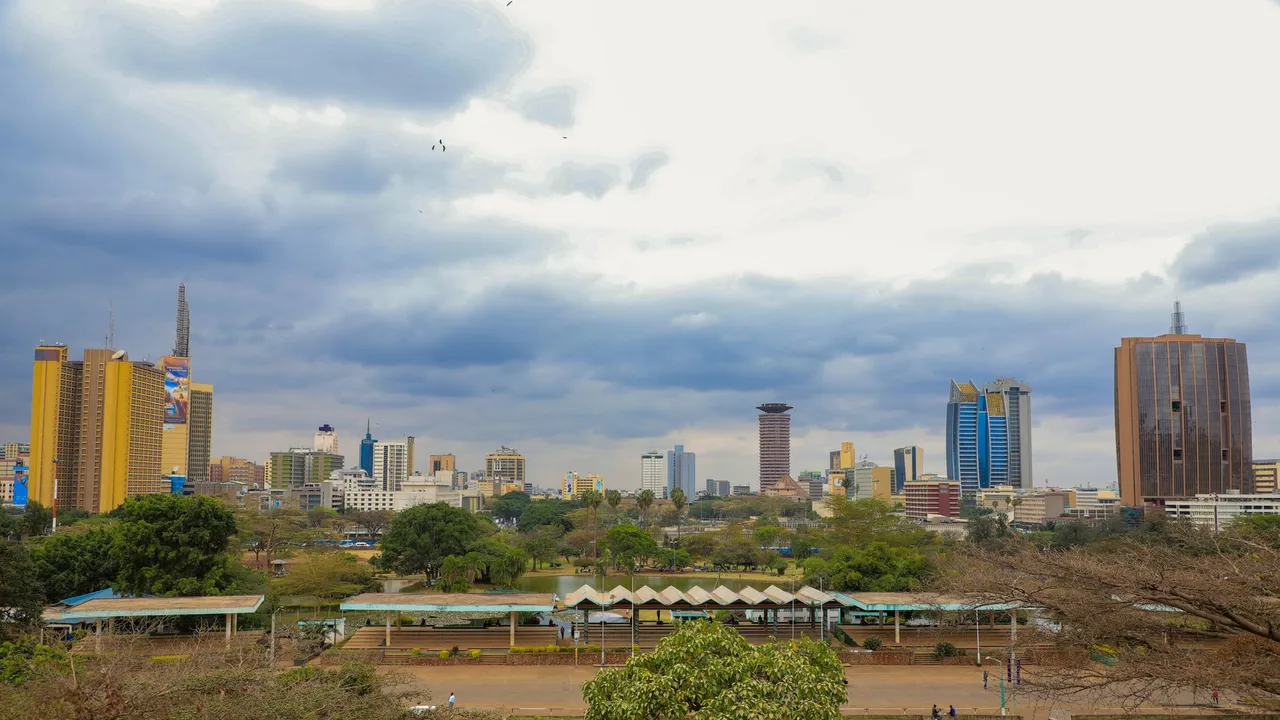
eSIM for Kenya 
Viasimo's Kenya eSIM starts at $1.29 for 100 MB over 7 days, running on Safaricom with 4G LTE where available. Plans last 1 to 180 days, arrive by email in minutes and install from your phone's settings, with no app.
Works everywhere in Kenya
- Baringo
- Bomet County
- Bungoma County
- Busia County
- Elegeyo-Marakwet
- Embu County
- Garissa County
Duration







Unlimited data · 3 Days ×1
$20.99
Does my phone take an eSIM? Check now
Dial *#06# on your phone. If you see an EID number, your phone takes an eSIM. Most phones sold since 2019 do.
Not sure it works on your phone? Check compatibilityWhich networks does the Kenya eSIM use?
Host networks: Safaricom
Your eSIM picks one automatically; you do not choose or switch between them.
- Data
- 100 MB – 20 GB or unlimited
- Validity
- 1–180 days
- Speed
- 4G LTE
- Hotspot / tethering
- Supported on most devices
- Activation
- Automatic on arrival
- Speed management
- Roughly 2-3 GB per day at full speed, sometimes less depending on the local carrier, then reduced
- Top-ups
- Add more data from your account, before the plan expires
- Text messages (SMS)
- Data only: use an app for verification codes
- Connects via
- Israel
- Unused validity
- 180 days before it must be installed
How much data do you need?
The allowances below are our sizing recommendations, not measurements. The plan beside each one is the cheapest option on this page that covers it.
| You are | Plan for | Cheapest plan that covers it |
|---|---|---|
| LightMaps, messaging and the occasional lookup | About 1 GB a week | $3.591 GB, 7 days |
| TypicalMaps, social, photos and some browsing | About 3 to 7 GB a week | $13.995 GB, 30 days |
| HeavyVideo streaming, video calls and uploads | 10 GB a week or more | $25.0010 GB, 30 days |
| Working or sharingTethering a laptop, calls and cloud sync | 20 GB a week or more | $44.99Unlimited, 7 days |
eSIM, local SIM or roaming?
Charged per day
Your carrier roaming
Queue and plastic
A SIM at the airport
$1.29
Viasimo, one bundle
Only the Viasimo figure is a price: it comes from today’s live catalog. The other two rows are directional, not quoted rates.
Important to know
- This is a data-only eSIM. It carries no calls or SMS on its own number.
- Your existing number stays on your primary SIM, so calls and verification texts keep working.
- Your phone must support eSIM, and some carrier-locked phones cannot install one.
- Signal varies with location, terrain, congestion and your handset. Dense urban areas are consistently better served than remote ones.
- The eSIM selects a host network automatically. You cannot pick or switch between them.
- Unlimited plans run at full speed up to a fair-use limit, then continue at a reduced speed. Read the fair usage policy
Frequently asked questions
Does an eSIM work in Kenya?
Yes. Your Kenya eSIM connects automatically the moment you arrive, with no roaming fees and nothing to set up at the airport. The host networks it can use are Safaricom. Coverage runs on 4G LTE. There is no 5G on our host network in Kenya yet.
Do I get 5G in Kenya?
No. Safaricom do not yet offer 5G to visitors in Kenya, so your eSIM connects over 4G LTE or slower. Anyone claiming 5G for this destination is quoting a spec sheet, not the network you will actually get.
Is there 5G in Kenya?
Yes. Safaricom launched 5G in March 2021, starting with Nairobi, Kisumu, Kakamega and Kisii, and has since expanded it. This eSIM uses Safaricom's 4G LTE network rather than 5G, which is still plenty for video calls, navigation and photo uploads in Kenya's cities and towns.
Which mobile network has the best coverage in Kenya?
Safaricom is the dominant operator, with about 65.7% of the market in 2024 and the largest network of masts. That is the network this eSIM connects to. Airtel Kenya and Telkom Kenya are the alternatives. In remote safari areas, coverage depends on whether a mast is in range rather than on which operator you use.
Do I need an eTA to visit Kenya?
Yes. Visitors must apply for an electronic travel authorisation online at etakenya.go.ke before travelling, and Kenyan authorities recommend doing so at least two weeks before departure. Keep the approval on your phone and printed. Arrivals from countries with yellow fever risk also need a vaccination certificate.
Can I bring a drone to Kenya?
Only with prior approval from the Kenya Civil Aviation Authority, which must authorise drones before they are imported or exported. Without it, your drone may be confiscated at the airport. Check flying restrictions too, especially in national parks and near airports and government sites.
Can tourists use M-Pesa in Kenya?
M-Pesa runs on a Safaricom phone line, so you need a registered local Safaricom SIM to open an account. This eSIM is data only, with no local number, so it can't be used for M-Pesa. Most visitors pay with cards in hotels and lodges and carry Kenyan shillings for smaller purchases and tips.
How much data do I need for 7 days in Kenya?
For 7 days in Kenya, Viasimo sells 100 MB for $1.29, 500 MB for $2.29, 1 GB for $3.59, and unlimited data for $44.99. Our sizing recommendation, not a measurement: maps, messaging and the occasional lookup, about 1 GB a week; maps, social, photos and some browsing, about 3 to 7 GB a week. The data calculator on this site works it out from how you actually use your phone.
Installing, keeping your number, topping up and hotspot work the same everywhere: see how it works →
Kenya: what to know before you land
This eSIM uses Safaricom, which held about two-thirds of Kenya's mobile market in 2024, on its 4G LTE network. Safaricom has run 5G in some cities since 2021, but this plan stays on 4G. Before you fly you'll need an approved eTA, and in Nairobi the UK Foreign Office flags specific roads and districts for robbery and carjacking.
- Emergency
-
- 999 112 also works from mobiles
- Plugs
- G 240V
- Currency
- Kenyan shilling (KES)
Main airports
- NBO Jomo Kenyatta International Airport, Nairobi
- MBA Moi International Airport, Mombasa
Kenya's eTA and the drive from Jomo Kenyatta (NBO)
Kenya requires visitors to apply online for an electronic travel authorisation (eTA) before travelling, through the official portal at etakenya.go.ke. Kenyan authorities recommend applying at least two weeks before departure. Keep the approval on your phone and as a printout. You also need a yellow fever certificate if you are arriving from a country with a risk of transmission. If you plan to bring a drone, you need prior approval from the Kenya Civil Aviation Authority to import it.
Jomo Kenyatta International Airport sits on the south-eastern edge of Nairobi, and the UK Foreign Office identifies the Airport South Road and Jogoo Road as having a higher risk of carjacking. Bag snatching is common at airports and stations. Practical steps:
- Arrange your transfer in advance or book a ride-hailing car from inside the terminal.
- Keep car windows closed and doors locked, and avoid driving at night where you can.
- Be aware that carjackers sometimes set up fake checkpoints.
- If you are attacked, don't resist.
Share your live location with someone while you travel from the airport to your hotel, especially on a late arrival.
Nairobi's higher-risk districts and protest days
The Foreign Office reports frequent violent crime in Nairobi, including mugging, armed robbery and carjacking. It names Eastleigh, the Central Business District and informal settlements such as Mathare and Kibera as higher-risk areas. If you visit Kibera or similar areas on a community tour, go with a reputable organised operator.
In the city, keep your phone out of sight on the street, avoid walking while following a map, and book cars by app rather than walking after dark. Ride-hailing apps also give you a record of the driver and route.
Protests and strikes are common, particularly in Nairobi, and can turn violent. Stay away from political gatherings and big crowds, and keep an eye on local news on your phone. During large demonstrations, road closures can make travel across the city slow; allow extra time if you have a flight or a safari pick-up.
The Foreign Office also advises against travel to some parts of Kenya, mainly in border and coastal areas; check its current map before planning any trip away from the main tourist circuit, as your insurance may depend on it.
Lamu by air and the rules inside Kenya's national parks
For Lamu and Manda islands, the Foreign Office advises travelling only by air to Lamu airport, not by road, and staying particularly alert because of the islands' proximity to the Lamu County mainland. Book flights and your island transfer before you go and keep the confirmations offline.
Inside Kenya's national parks and reserves:
- Use a reputable tour operator and avoid touts offering cheap safaris at park gates or in town.
- Arrive in daylight, as gates and roads are harder to navigate after dark and park rules restrict night driving.
- Don't swim in rivers or lakes in national parks: it is illegal, and the waters are home to hippos and crocodiles.
- Follow wardens' instructions and park regulations, including staying in the vehicle except at designated points.
For emergencies, dial 999 for police, ambulance or fire. This is a voice call, so keep your home SIM active alongside the data-only eSIM. The Kenya Tourism Federation also runs a Safety and Communication Centre for visitors who need advice or emergency help; save its contact details before you head into the parks.
Researched October 2026 · 5 sources
Seven days in Kenya: Nairobi, Lake Naivasha and the Masai Mara
A first safari week for travellers who want wildlife without long internal journeys: Nairobi's national park and elephant orphanage, cycling among zebra at Hell's Gate beside Lake Naivasha, then three days of game drives in the Masai Mara, flying back to Nairobi.
When to go July to October is the dry season and the time of the wildebeest migration in the Mara; January and February are also dry and less crowded, while the long rains from April to May turn the Mara's tracks to mud.
-
Day 1 Nairobi
Arrive in Nairobi
The airport to Karen takes about 45 minutes to 1.5 hours depending on traffic.
Land at Jomo Kenyatta International and take a pre-booked transfer to Karen or Westlands, using Mombasa Road or the Nairobi Expressway rather than the old Airport South Road, where the Foreign Office notes a higher carjacking risk. In the afternoon, visit the Giraffe Centre in Lang'ata, where you can feed endangered Rothschild's giraffes from a raised platform, and the Karen Blixen Museum in the Danish author's former farmhouse.
Signal Safaricom 4G is strong at the airport and across Nairobi; this eSIM stays on 4G even where Safaricom has switched on 5G.
-
Day 2 Nairobi
Nairobi National Park and the Sheldrick nursery
The park's main gate is about 7 km from central Nairobi.
Enter Nairobi National Park at dawn for a game drive with the city skyline behind lions, rhinos and giraffes. At 11am, join the public visit at the Sheldrick Wildlife Trust's elephant nursery inside the park, where keepers bring orphaned baby elephants out for their mud bath. You must book this weeks ahead, and arrive at the Mbagathi Gate by 10.30am.
Signal Coverage is good across most of Nairobi National Park because it borders the city; pay the KWS park fee in advance on eCitizen while you have a strong signal.
-
Day 3 Lake Naivasha
Lake Naivasha and Hell's Gate
Nairobi to Naivasha is about 2 hours by road.
Drive north-west down the escarpment into the Rift Valley, stopping at a viewpoint over the valley floor. At Hell's Gate National Park, cycle or drive past zebra, buffalo and giraffe below the cliffs, then walk into the gorge with a guide. Late in the afternoon, take a boat on Lake Naivasha to see hippos and fish eagles, landing on Crescent Island for a walking safari.
Signal 4G is reliable around Naivasha town and the lakeshore; it is patchier deep inside the Hell's Gate gorge.
-
Day 4 Masai Mara
Into the Masai Mara
Naivasha to the Mara's Sekenani Gate takes about 5 hours by road, the last stretch on rough tracks; flying from Wilson Airport in Nairobi takes about 45 minutes instead.
Drive west through Narok to the Masai Mara National Reserve, arriving in time for lunch at your camp. Head out on an afternoon game drive across the open grassland, looking for lions, elephants, topi and, from July to October, the vast herds of the wildebeest migration. Return to camp before the park's evening closing time.
Signal Safaricom has towers around the Mara gates and many camps, so you'll often find 4G or 3G, but expect dead zones in the open plains between them.
-
Day 5 Masai Mara
Full day in the Mara
Spend a full day on game drives, taking a packed lunch so you can range further. In the migration season, head towards the Mara River in the hope of seeing a crossing, but keep your vehicle well back from the herds and stay inside it. Look out for cheetahs on the plains and leopards in the trees along the river valleys. Some camps offer balloon flights at dawn.
Signal Coverage near the Mara River and on the plains is very patchy; it's best to sync photos and messages once you're back at camp.
-
Day 6 Masai Mara
Mara morning and a Maasai village
Go out at first light, when predators are most active, and return to camp for breakfast. Later in the day, visit a Maasai community near the reserve with a guide arranged by your camp, learning about cattle herding and traditional homesteads, and ask before taking photographs. End with a sundowner drive on the edge of the reserve or one of the private conservancies.
Signal Signal is similar to yesterday: usable around camps and villages near the gates, with long gaps out on the plains.
-
Day 7 Nairobi
Fly back to Nairobi and depart
Mara airstrips to Wilson Airport take about 45 minutes to 1 hour by light aircraft, sometimes with a stop.
Take a final short game drive on the way to your camp's airstrip, then fly back to Wilson Airport in Nairobi. If you have time before an evening international flight, visit the Nairobi National Museum and its botanical gardens. Leave plenty of time for traffic on the road out to Jomo Kenyatta International.
Signal 4G returns as soon as you land in Nairobi; there's usually no signal at remote Mara airstrips while you wait.
Staying connected on this route
- Pay Kenya Wildlife Service park fees in advance on eCitizen and save receipts offline before day 2.
- Download offline Google Maps for the Mara and Naivasha and save your driver's and camp's numbers as phone contacts.
- Light aircraft to the Mara have strict soft-bag weight limits, so check yours before you pack, and charge a power bank for days in the reserve.
Itinerary sources · 4
- gov.uk Kenya travel advice – GOV.UK
- gov.uk Kenya safety and security – GOV.UK
- sheldrickwildlifetrust.org Nairobi Nursery visiting – Sheldrick Wildlife Trust
- en.wikipedia.org Safaricom – Wikipedia
Information and verification
Each block below says what was checked and when. Anything we cannot date, we do not claim.
- Prices and plans
- Every price and allowance on this page is read from the live catalog, not typed in.
- Host networks
- The operator list comes from the network partner that carries this eSIM.
Kenya eSIM prices
| Data | Price | Per day |
|---|---|---|
| Unlimited | $20.99 | $7.00/day |
| Data | Price | Per day |
|---|---|---|
| Unlimited | $31.99 | $6.40/day |
| Data | Price | Per day |
|---|---|---|
| 100 MBBest value | $1.29 | $0.18/day |
| 500 MB | $2.29 | $0.33/day |
| 1 GB | $3.59 | $0.51/day |
| Unlimited | $44.99 | $6.43/day |
| Data | Price | Per day |
|---|---|---|
| Unlimited | $61.99 | $6.20/day |
| Data | Price | Per day |
|---|---|---|
| Unlimited | $90.99 | $6.07/day |
| Data | Price | Per day |
|---|---|---|
| Unlimited | $339.99 | $5.67/day |
| Data | Price | Per day |
|---|---|---|
| Unlimited | $499.99 | $5.56/day |
| Data | Price | Per day |
|---|---|---|
| Unlimited | $999.99 | $5.56/day |
Going to more than one country?
Regional plans that also cover Kenya


Destinations